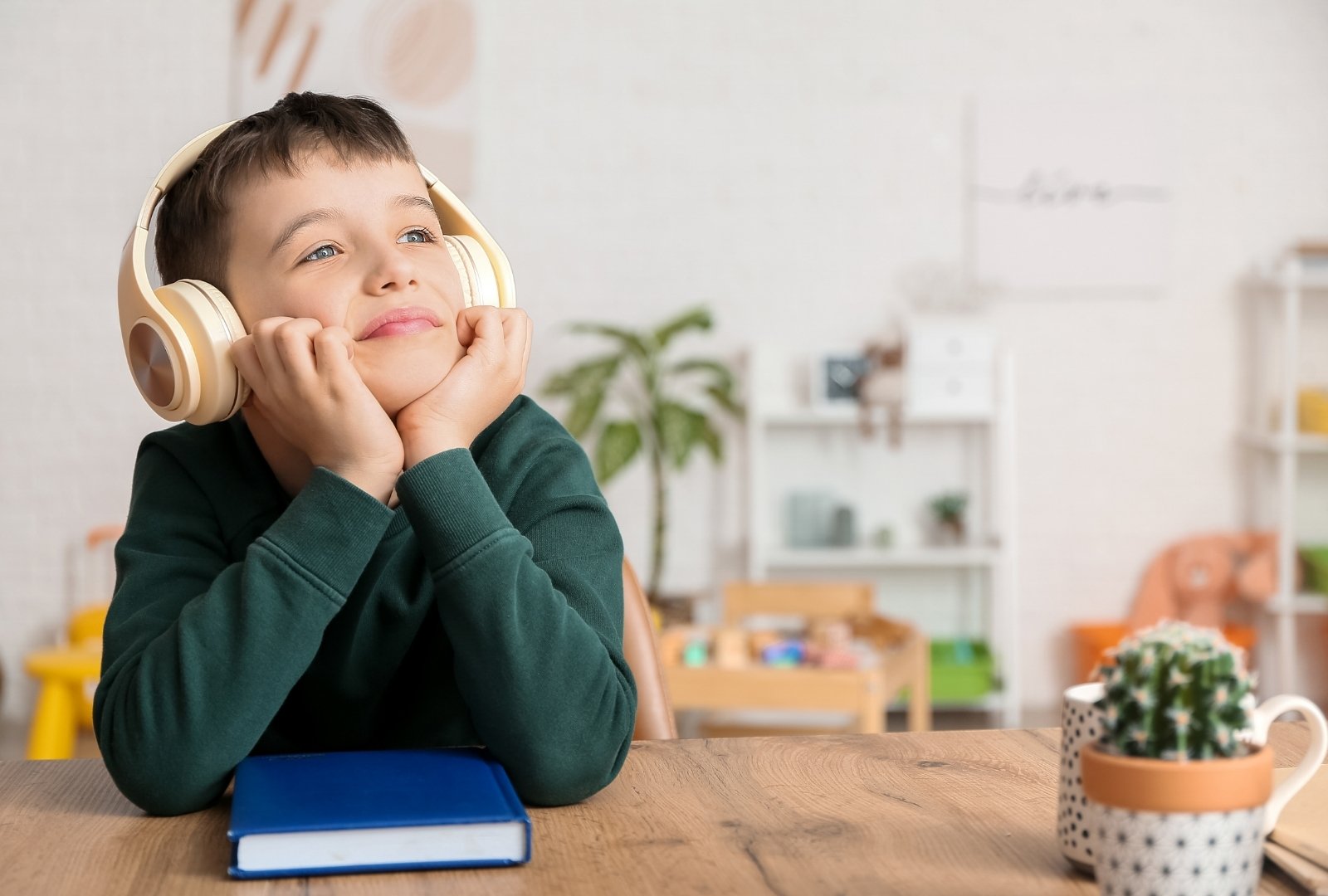
Music has always been a powerful way for children to express themselves. From tapping rhythms on a table to learning their first instrument, creativity often starts early. In 2026, a new wave of tools is reshaping that journey: AI-powered music apps designed specifically for kids.
These platforms can generate melodies, suggest chords, and even turn simple ideas into full songs within seconds. But as their popularity grows, so does an important question: are these tools helping children learn—or replacing the learning process altogether?
What Are AI Music Tools for Kids?
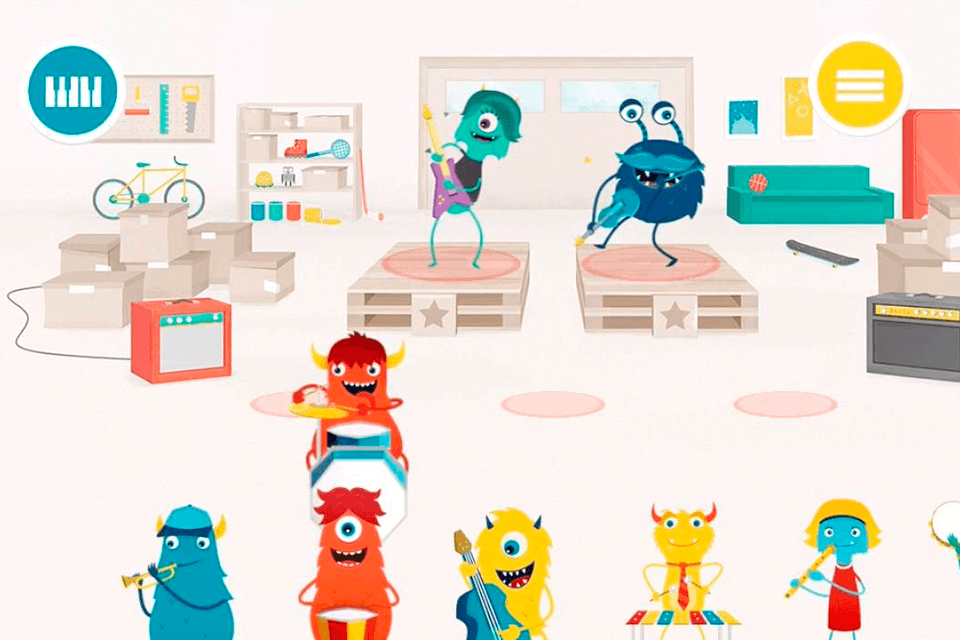
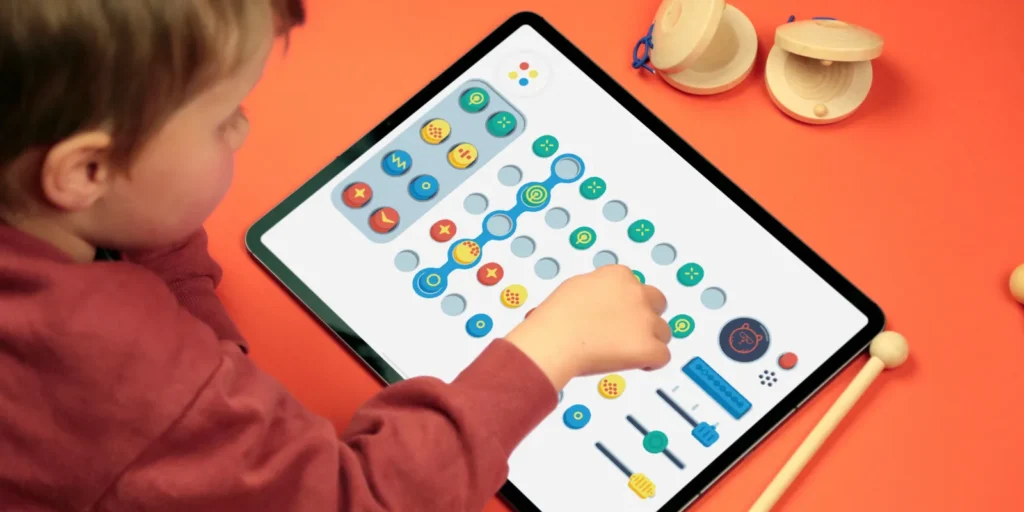
AI music tools are apps or platforms that use artificial intelligence to assist with music creation. For kids, these tools are often simplified, colorful, and interactive.
They allow children to:
- Create songs by selecting moods or themes
- Generate beats and melodies automatically
- Experiment with instruments digitally
- Record and edit their own voices
Some apps even let kids describe a song in words—like “happy dance music” or “space adventure soundtrack”—and the AI builds it for them.
Why These Tools Are So Popular in 2026
AI music apps have quickly become popular among both kids and parents. There are a few clear reasons behind this trend.
Instant Creativity
Traditional music learning takes time. Kids need to practice scales, learn rhythm, and understand basic theory. AI tools skip many of these steps, allowing children to create something that sounds “complete” right away.
This instant feedback can be exciting and motivating, especially for beginners.
Accessibility for Everyone
Not every child has access to music lessons or instruments. AI apps lower that barrier. With just a tablet or smartphone, kids can explore music without needing a piano, guitar, or teacher.
This makes music more inclusive and widely available.
Fun, Game-Like Experience
Many of these apps are designed like games. Bright visuals, rewards, and interactive features keep children engaged longer than traditional practice methods.
For digital-native kids, this approach feels natural.
The Benefits: Supporting Creativity and Confidence
AI music tools can offer real advantages when used thoughtfully.
Encouraging Experimentation
Kids can try different sounds, styles, and ideas without fear of making mistakes. Since the AI helps guide the process, children feel more confident exploring.
This freedom can lead to more creative thinking.
Building Early Interest in Music
For some children, traditional lessons can feel difficult or even boring at first. AI tools provide a softer entry point, helping kids develop an interest in music before moving into deeper learning.
Boosting Confidence
Creating a full song—even with AI assistance—can be a big confidence boost. Kids feel proud of their creations, which can motivate them to continue learning.
The Concerns: Too Much Help, Too Soon?
While AI tools offer clear benefits, they also raise concerns among educators and parents.
Reduced Skill Development
If a child relies too heavily on AI to generate melodies or rhythms, they may not develop core musical skills. Understanding timing, structure, and technique still requires practice.
There’s a risk that kids become “button pushers” rather than true creators.
Less Patience and Practice
Music traditionally teaches patience and discipline. AI tools, with their instant results, may reduce the willingness to practice and improve gradually.
This could affect long-term learning.
Creativity vs Automation
One key question is whether AI enhances creativity—or replaces it. If the tool is doing most of the work, is the child truly creating?
The answer often depends on how the tool is used.
Finding the Right Balance
The good news is that AI music tools don’t have to replace traditional learning. Instead, they can complement it.
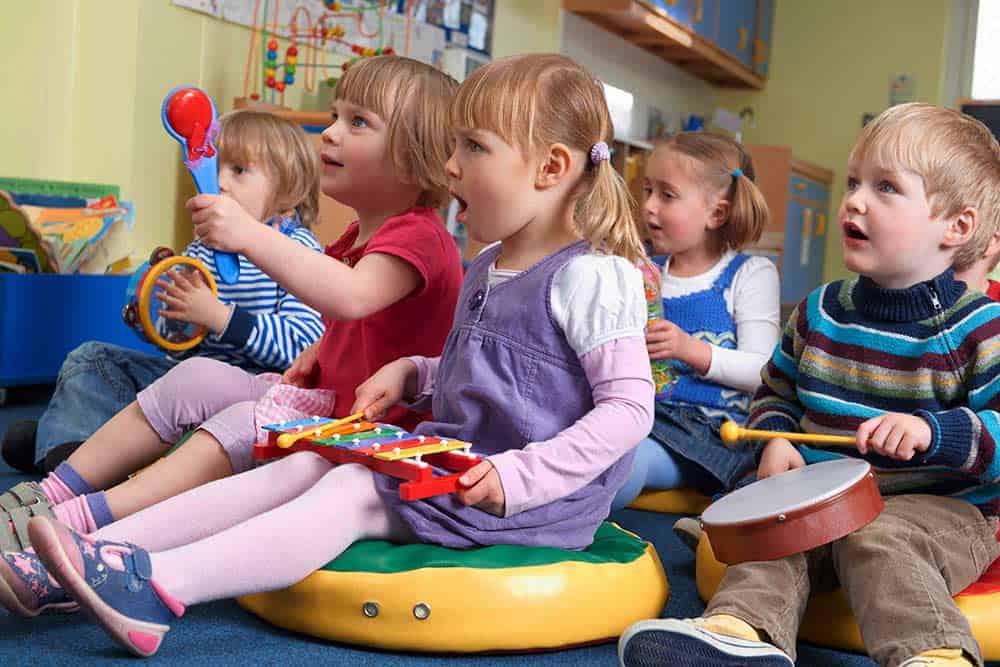
Use AI as a Starting Point
AI can help kids generate ideas, which they can then build on themselves. For example, a child might start with an AI-generated melody and then modify it.
Combine with Real Instruments
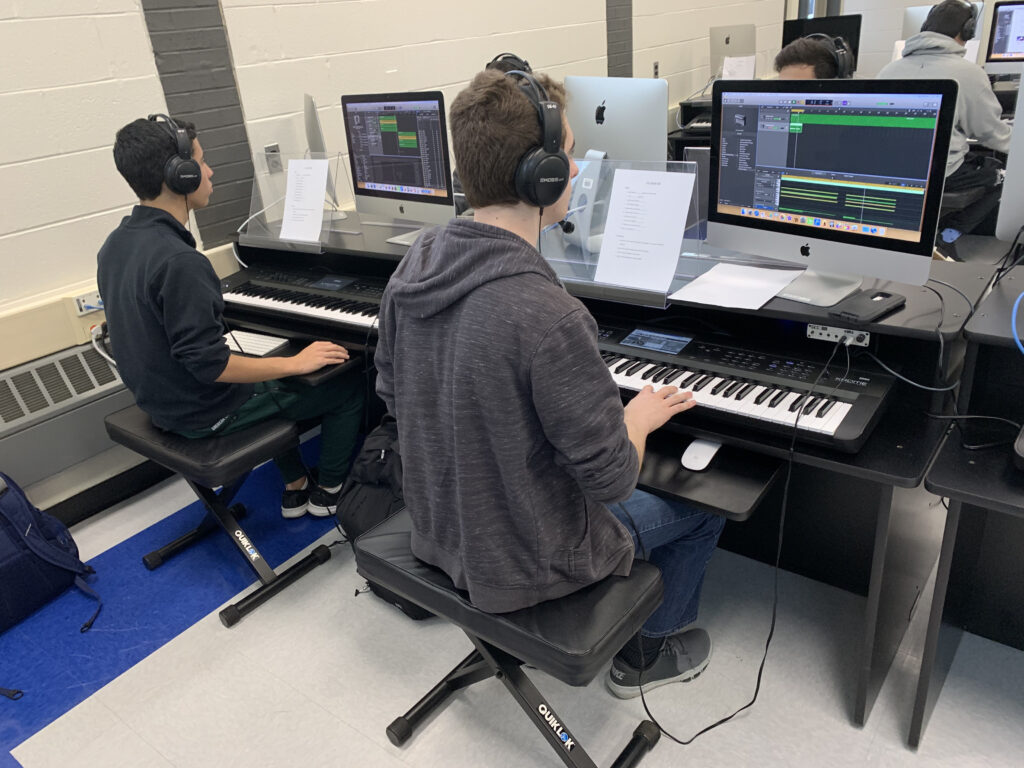
Pairing digital tools with physical instruments can create a more complete learning experience. Kids can experiment in an app and then try to play the same music on a keyboard or guitar.
Encourage Active Participation
Parents and teachers can guide children to stay involved in the creative process—making choices, adjusting sounds, and understanding what they’re creating.
What This Means for the Future of Music Education
AI is not going away. In fact, it will likely become an even bigger part of how kids learn and create music.
The challenge is not whether to use these tools, but how to use them wisely.
In the future, music education may look like a blend of:
- Traditional techniques and theory
- Digital tools and AI assistance
- Creative exploration and structured learning
This hybrid approach could make music more engaging and accessible than ever before.
Final Thoughts
AI music tools for kids are both exciting and complex. They open doors to creativity, making music easier and more fun to explore. At the same time, they challenge traditional ideas of learning and skill-building.
Used well, these tools can inspire the next generation of musicians. Used poorly, they risk turning creativity into automation.
The key lies in balance. With the right guidance, AI can become a powerful partner in a child’s musical journey—helping them not just create music, but truly understand and enjoy it.